Breaking The Habit of Being Yourself
Joe Dispenza
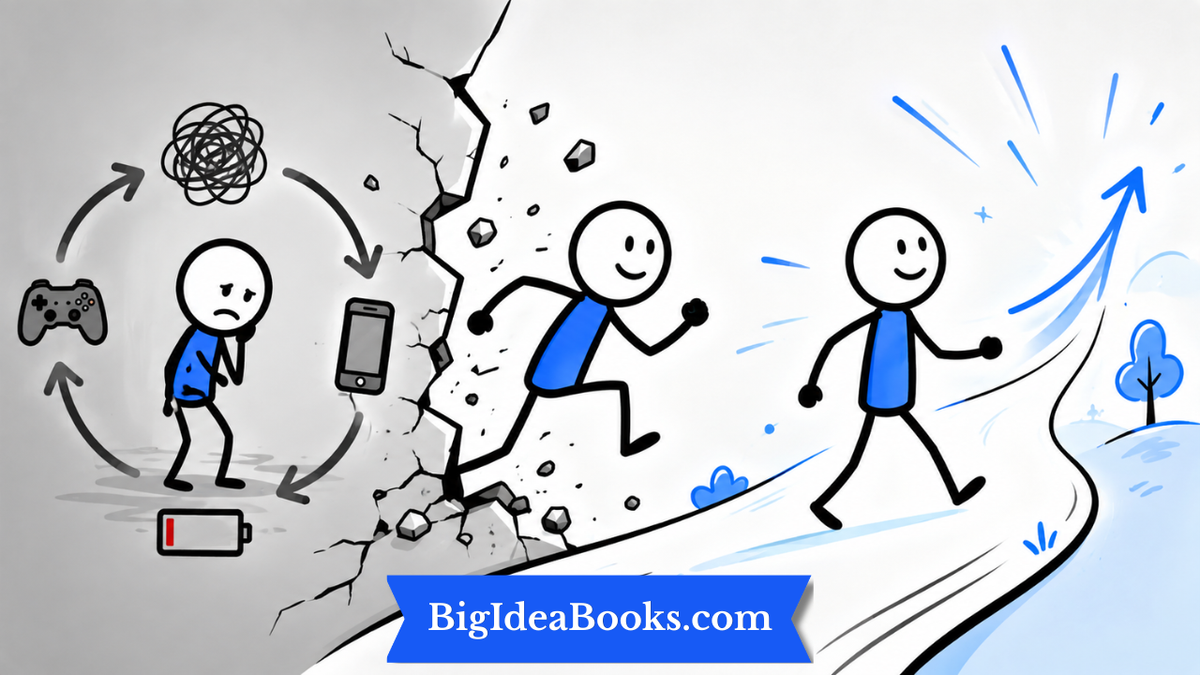
Much of what feels like personality can actually be repetition. The thoughts you return to, the emotions you repeatedly experience, and the beliefs you carry about yourself can become familiar patterns that influence how you respond to everyday life. Changing those patterns requires more than wanting a different future—you have to notice the old version of yourself clearly enough to stop automatically recreating it. From there, you can begin practicing a different way of thinking, feeling, and behaving.
Recognize the Patterns Shaping Your Life
Every thought and emotion creates activity in your brain. When the same thoughts and feelings are repeated, the brain begins strengthening the neural pathways associated with them. Over time, those patterns can become familiar beliefs, habits, and ways of responding to the world.
This means your present behavior isn't shaped only by what happens around you. It's also influenced by the mental and emotional patterns you've practiced repeatedly. A familiar thought can produce a familiar feeling, which can encourage a familiar response. Repeat that cycle often enough and it can begin to feel like an unchangeable part of who you are.
Awareness creates the possibility of interrupting that cycle. Instead of simply accepting a recurring thought or emotion as truth, you can begin noticing it as a pattern. That small distinction matters because you can't deliberately change something you never recognize yourself doing.
Why is recognizing repeated thoughts and emotions important for personal change?
Challenge the Beliefs Keeping the Old You in Place
Once you begin noticing your patterns, look underneath them. Repeated behaviors are often connected to beliefs about yourself, other people, or what you believe is possible. Some of those beliefs may help you move forward. Others may quietly keep you repeating a version of your life you'd rather change.
A limiting belief can sound convincing because you've carried it for a long time. You might assume you aren't capable of succeeding in a particular area, that you're destined to repeat a certain type of relationship, or that a different future simply isn't available to you. Instead of treating those assumptions as permanent facts, examine them.
Ask what belief may be underneath a recurring pattern and where that belief came from. Then consider whether it still deserves to guide you. The goal isn't merely to reject an old belief; it's to replace it with a more empowering one that supports the direction you want your life to take.
What is the most useful response to a limiting belief?
Use Meditation to Observe Yourself More Clearly
Recognizing a pattern can be difficult when you're caught in the middle of it. Meditation creates an opportunity to become more aware of your thoughts, emotions, and physical sensations without immediately reacting to them.
The goal isn't to eliminate every unwanted thought or sit perfectly still while thinking about nothing. Mindfulness involves paying attention to the present moment without judgment. You notice what you're thinking and feeling while creating some distance between the experience and your response to it.
That distance can make change easier. Instead of automatically following a familiar emotion into a familiar behavior, you can observe what's happening and choose how you want to respond. With regular practice, meditation can help you become more aware of negative thought patterns, regulate emotions more effectively, and better understand the difference between habitual reactions and deliberate choices.
What role does meditation play in breaking an old pattern?
Mentally Rehearse the Person You Want to Become
Breaking an old pattern leaves an important question: what will replace it? Personal change isn't only about dismantling limiting beliefs and unwanted habits. You also need to become familiar with a different version of yourself.
Mental rehearsal helps make that new identity more concrete. Picture the person you want to become in enough detail that you can imagine how that person thinks, speaks, behaves, and responds. Consider how you would approach a difficult situation if you were no longer operating from the old belief. Think about the emotions, attitudes, and behaviors you want to practice instead.
This is also where focusing on what you want becomes important. Continually fighting against what you don't want can keep your attention centered on the very pattern you're trying to leave behind. Gratitude and positive visualization can help redirect that attention toward the experiences and qualities you want to strengthen.
Consistency matters. Some old beliefs will feel more stubborn than others, and new patterns may initially feel unfamiliar. Keep practicing the new thoughts, emotional responses, and behaviors until the emerging version of yourself becomes increasingly familiar.
Why is mental rehearsal useful when creating a new way of being?
Try the Big Ideas
- Catch one recurring pattern. During the next few days, notice a thought or emotional reaction that appears repeatedly. Don't immediately try to change it. First, practice recognizing when it happens and what usually follows.
- Question one limiting belief. Choose a recurring belief about yourself that may be influencing your behavior. Ask where the belief came from, whether it still deserves to guide you, and what more empowering belief you could begin practicing in its place.
- Create a short meditation habit. Find a calm place where you can regularly sit without unnecessary distractions. Pay attention to your thoughts, feelings, and physical sensations without judging them or trying to force them away. When your mind wanders, simply notice what happened and return your attention to the present moment.
- Rehearse your next response. Choose one situation in which the old version of yourself frequently appears. Imagine encountering that situation again, but picture in detail how the person you're becoming would think, speak, feel, and respond. Repeat the rehearsal until the alternative response begins to feel more familiar.
Key Takeaways
Breaking the habit of being yourself begins with recognizing that familiar thoughts, emotions, beliefs, and behaviors can become self-reinforcing patterns. Awareness lets you see those patterns, examining your beliefs helps you understand what keeps them in place, and meditation creates enough distance to respond more deliberately. From there, change becomes a process of practicing rather than merely wishing: repeatedly rehearse the thoughts, emotions, and behaviors of the person you want to become until the new way of being grows more familiar than the old one.